10 Hibiscus Wildflower Wreath SVG
A Designer’s First Look: Light, Lyrical, and Ready for Real Stitches
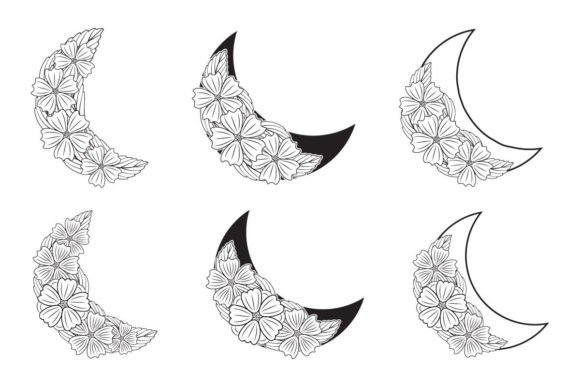
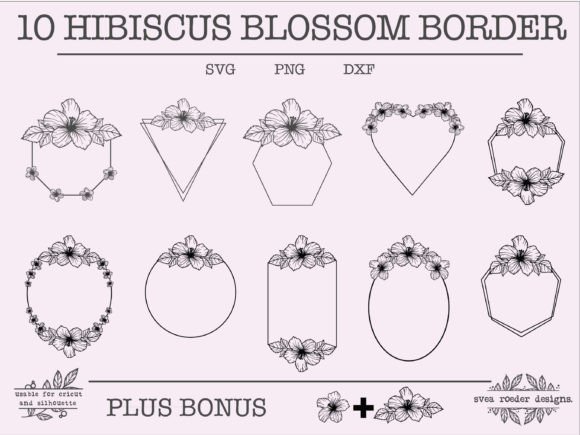
When I opened the 10 Hibiscus Wildflower Wreath SVG bundle, what struck me first wasn’t just the floral theme—it was the breathing room. These aren’t tightly packed, overly ornate wreaths. Each of the ten designs balances delicate lineart with gentle rhythm: soft curves, open negative space, and hibiscus blooms that feel alive—not stiff or clip-art-like. As a designer who’s stitched hundreds of floral motifs for clients, I immediately sensed this set leans into elegance over busyness. That matters. A wreath like this on a linen tea towel or baby onesie won’t overwhelm—it’ll invite touch, attention, and quiet appreciation.
Where It Shines: From Tote Bags to Tiny Onesies
I tested one design as a centered chest embroidery on a midweight organic cotton sweatshirt—no appliqué, just clean satin and fill stitch execution. The result? Crisp petal edges, smooth transitions between stem and bloom, and zero thread nesting in the inner loops. That tells me the 10 Hibiscus Wildflower Wreath SVG was digitized with real fabric behavior in mind—not just vector perfection.
It works beautifully for:
- Custom apparel: Especially on relaxed-fit tees, lightweight hoodies, and woven tote bags where drape and breathability matter.
- Baby embroidery: The open structure avoids dense fill areas that can stiffen delicate fabrics—ideal for swaddles, bibs, or nursery pillow covers.
- Embroidered patch: Clean outer edges mean sharp heat-transfer or sew-on results without fraying risk.
- Holiday or wedding gifts: Think monogrammed kitchen towels or guest favors—soft enough for spring showers, warm enough for tropical weddings.
- Etsy seller assets: These translate well into printable mockups and digital previews. Their consistent line weight and balanced scale make them reliable across product thumbnails.
Where to Pause—and Why
This isn’t a “set it and forget it” embroidery file. Its charm lives in subtlety—and subtlety demands intention. On textured fabrics like terry cloth or heavy twill, fine stem lines may soften or disappear. On stretchy knits (think raglan sleeves or baby bodysuits), those graceful curves need careful hooping and cutaway stabilizer—otherwise, the wreath can distort under tension.
Also worth noting: the open center and slender connecting vines don’t hold up well on very small hoop sizes (under 4" diameter). I tried scaling one down for a cap front and found the inner petals lost definition. For curved surfaces like caps or hats, stick to the larger, bolder variants in the bundle—or use them as full-back or sleeve accents instead.
Dark fabric? Yes—but only with high-contrast thread colors. A pale peach hibiscus on navy looks dreamy in mockups, but in stitch, you’ll need cream or ivory thread with strong sheen to retain shape. And if your project involves frequent washing (like kids’ aprons or kitchen towels), avoid ultra-thin running-stitch outlines alone; pair them with a light fill or satin border for longevity.
What It Adds to Your Finished Product—Beyond Pretty
As a craft business owner, I watch how customers respond—not just to what something looks like, but how it *feels* as a handmade product. This wreath bundle elevates perceived value because it reads as intentional, not generic. It doesn’t scream “mass-produced SVG”—it whispers “designed for makers.” That builds trust. When someone sees this on an Etsy listing for personalized baby blankets, they’re not just buying embroidery—they’re buying care, curation, and quiet confidence.
For boutique branding or small shop merchandise, the consistency across ten variations is a quiet superpower. You can rotate designs seasonally, match color palettes across product lines, or offer “choose your wildflower” personalization—all while keeping visual cohesion. And unlike over-saturated floral bundles, these hold up in black-and-white mockups. That’s critical when prepping listings for print catalogs or minimalist storefronts.
Practical Notes Every Embroidery Designer Should Run Through
Before stitching your first 10 Hibiscus Wildflower Wreath SVG, do these six things:
- Test on scrap fabric—same weight and weave as your final project. Watch how stems behave on bias cuts or seams.
- Check thread color contrast on both light and dark backgrounds. Some variants read better in bold tones; others shine in muted earth tones.
- Review stitch density in the center cluster. If your machine struggles with tight fills, consider simplifying or adding a light underlay.
- Confirm hoop size compatibility. Not all ten will fit comfortably in a 4"x4"—some are clearly meant for 5"x7" or larger.
- Inspect small details at actual stitch size: tiny stamen dots, vine tips, and petal veining should remain legible, not fuzzy.
- Verify licensing before selling finished items or reselling the digital embroidery file. Since this falls under Graphics and Crafts, confirm whether commercial use is included—especially if you’re an Etsy seller or digital product creator.
Final Thought: A Quiet Anchor for Thoughtful Making
The 10 Hibiscus Wildflower Wreath SVG won’t dominate a room—but it will hold space with grace. It’s the kind of design that makes a simple cotton apron feel like heirloom quality, or turns a plain sweatshirt into something someone pauses to admire. For embroidery designers, small shop owners, and creative entrepreneurs, it’s less about trend-chasing and more about building a library of pieces that work—quietly, reliably, beautifully—across seasons, surfaces, and stories. Just remember: let the design breathe, stabilize with purpose, and always stitch with the end user in mind—not just the file.