Abstract Floral Shapes Rectangular Box
A Designer’s First Glance: Clean, Calm, and Quietly Confident
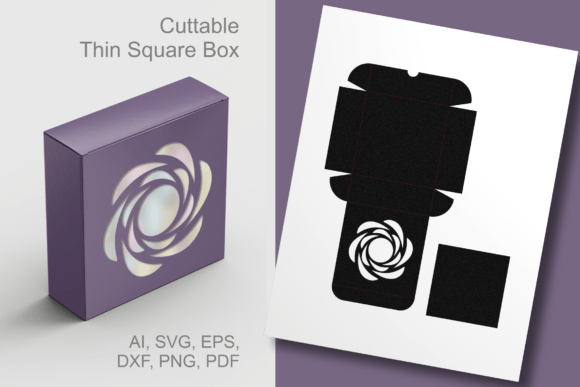
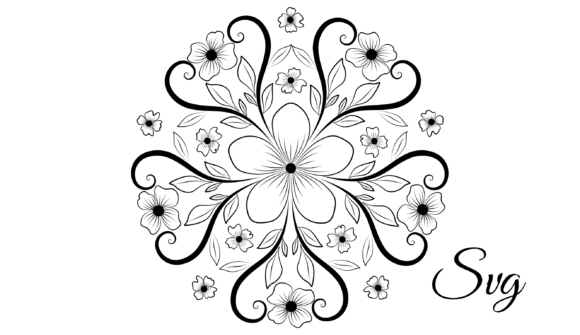
When I opened Abstract Floral Shapes Rectangular Box for the first time, I didn’t see “just another shape.” I saw a quiet rhythm—soft curves meeting clean geometry, botanical suggestion without literal petals, and negative space that breathes. It’s not fussy or overworked. That matters. As someone who stitches for boutique baby lines, custom totes, and small-batch apparel, I need designs that land with intention—not noise. This one does. It feels like a modern heirloom sketch: subtle enough for nursery wall art, structured enough for a sweatshirt chest pocket, and refined enough to anchor a holiday gift box lining.
Where It Lives Best: Real Projects, Not Just Mockups
Last week, I used Abstract Floral Shapes Rectangular Box as the central motif on a linen tea towel for a local kitchenware shop. We stitched it in tonal ecru thread on oat-colored fabric—no fill stitch, just elegant satin outlines and delicate running-stitch accents. Customers paused. They ran fingers over the texture. That’s the sign: it translates from screen to stitch *with presence*. It works beautifully as an embroidered patch (stabilized and trimmed cleanly), as a minimalist chest emblem on organic cotton sweatshirts, and even scaled down for baby onesie corners—where its gentle abstraction avoids cliché while still feeling tender and handmade.
I’ve also layered it into digital embroidery files for Etsy sellers: paired with monogram initials inside the rectangular frame, or repeated as a border along pillow covers. Because it’s built as a 3D SVG, the vector clarity holds up when resizing—critical when a craft business needs one design to serve everything from cap brims to tote bag panels. It’s especially strong for shops leaning into “quiet luxury” branding: think ceramic studios, apothecary labels, or slow-living subscription boxes.
Fabric & Function: Where Caution Meets Confidence
Let’s be direct: Abstract Floral Shapes Rectangular Box shines on stable, medium-weight fabrics—linen, quilting cotton, midweight denim, twill, and structured knits. On those, your satin stitch glides, corners stay crisp, and the open shapes read clearly. But test first on stretchy jersey or thin voile. The design’s balance relies on clean edges; too much give in the fabric can blur its confident lines. Same goes for dark fabric: if you’re stitching in light thread, check how fine details hold up under dense fill areas—some corners may need slight manual cleanup in your embroidery software before finalizing the machine embroidery design.
For curved surfaces—like caps or tapered apron pockets—scale it slightly larger than usual and avoid placing tight inner angles directly over seams. And if you’re planning frequent washing (baby embroidery, kitchen towels), confirm your stabilizer choice supports long-term stitch integrity. A tear-away + light cut-away combo usually handles the mix of satin and running stitches well.
What Makes It Sell—Beyond the Stitch
This isn’t just about technical execution. It’s about perception. When customers see Abstract Floral Shapes Rectangular Box on a finished product, they register craftsmanship—not mass production. The shape implies thoughtfulness. Its floral abstraction feels personal but never cutesy, making it safe for gender-neutral baby items, wedding guest favors, or corporate gifting (think embroidered linen napkins for a boutique hotel). For Etsy sellers, it elevates listings: pair it with a printable mockup showing the design on a folded favor box or flat-lay tote, and conversion lifts. Buyers trust handmade products that look intentional—not busy, not generic.
Practical Notes Every Embroidery Designer Should Run Through
- Test on scrap first—especially if using textured fabric or blending thread colors. See how the negative space reads at your intended size.
- Review stitch density before hooping. If your version includes dense fill sections, reduce density slightly for lightweight fabrics or high-wear items.
- Confirm hoop size compatibility. While the rectangular layout is forgiving, very narrow versions may push limits on smaller hoops—check your machine’s minimum width clearance.
- Inspect small details in your embroidery software: tiny interior curves, sharp points, and intersecting lines. Adjust if needed for smoother satin stitch flow.
- Mock it in black and white—this reveals contrast issues faster than color previews. Does the shape still read strongly without hue?
- Compare light vs. dark backgrounds in your design assets folder. Some abstract shapes lose definition on low-contrast pairings.
- Use proper stabilizer—not optional here. The clean lines demand stability, especially around perimeter satin stitches.
- Verify licensing before selling finished items or reselling the digital embroidery file. Since this is marketed as a DIY template, confirm commercial use rights if you’re a craft business or small shop product seller.
Final Thought: A Shape With Substance
Abstract Floral Shapes Rectangular Box doesn’t shout. It settles in. That’s its strength—and why it’s become a quiet staple in my design library. It bridges the gap between decorative and functional, abstract and approachable, modern and timeless. Whether you’re stitching personalized gifts, building a cohesive line of embroidered patches, or creating custom apparel for a local café, this design earns its place—not because it’s trendy, but because it works, wears well, and invites attention without demanding it. In a market flooded with loud, over-rendered motifs, that kind of quiet confidence? That’s the real value.