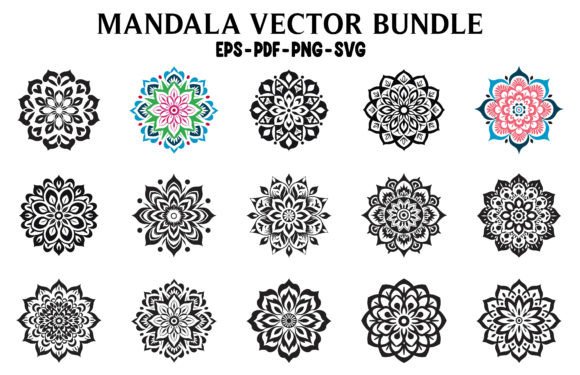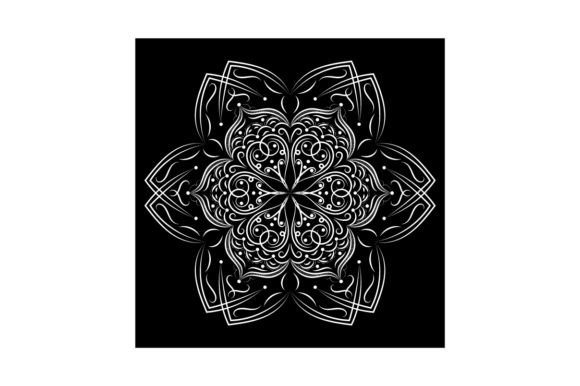
Floral Mandala, Stencil
A Designer’s First Glance: Graceful, Balanced, and Quietly Confident
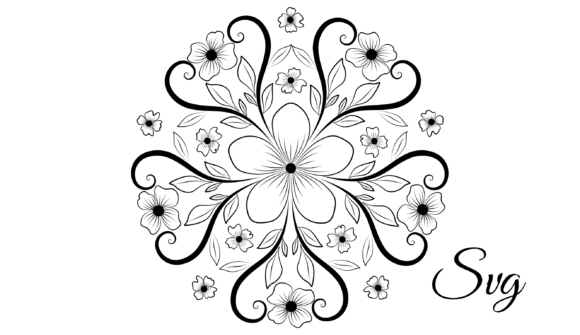
When I opened Floral Mandala, Stencil for the first time, what struck me wasn’t just symmetry—it was intention. The design breathes like a hand-drawn sketch translated into clean vector form: soft petal curves radiating from a centered motif, subtle leaf tendrils curling without overcrowding, and negative space that feels generous—not empty. It doesn’t shout. It invites. That quiet confidence makes it ideal for handmade products where craftsmanship should speak louder than ornamentation.
Real-World Test: Embroidering a Linen Kitchen Towel for a Local Boutique
Last week, I prepped Floral Mandala, Stencil for a small-batch linen tea towel order—six pieces for a downtown craft shop known for minimalist home goods. I chose a 4-inch hoop and medium-weight cutaway stabilizer. The design scaled cleanly to 3.8 inches wide, sitting comfortably in the lower corner of each towel. No distortion. No jagged edges in the SVG or EPS exports. What surprised me was how well the outer floral ring held definition in satin stitch—even on slightly nubby linen. The inner mandala core stayed legible without over-stuffing the fill stitch density. Customers later told the shop owner it felt “thoughtful, not fussy”—exactly the tone we aimed for.
Where It Shines (and Where It Asks for Care)
Floral Mandala, Stencil excels in projects where elegance meets wearability:
- Custom apparel: Crisp on cotton sweatshirts and structured tote bags—especially when placed on chest or back panels where the circular shape anchors the composition.
- Baby embroidery: Gentle enough for onesies and burp cloths; the open layout avoids dense stitching that could irritate sensitive skin.
- Embroidered patches: Clean vector edges mean sharp laser-cut or heat-applied edges—and no bleed-through on light fabrics.
- Holiday and wedding gifts: Works beautifully as a monogrammed accent on pillow covers or napkin sets—timeless, not trend-dependent.
- Etsy listings and digital product previews: The transparent PNG and SVG files drop cleanly into mockups; no background cleanup needed.
But it’s not universally forgiving. Use caution with:
- Stretchy fabric: The outer petals rely on stable tension—test thoroughly on knits before committing to a full run of custom t-shirts.
- Curved surfaces (like caps): The full-circle symmetry can warp subtly on tight crowns; consider simplifying or repositioning the motif for better fit.
- Thin or sheer fabric: Even moderate fill stitch density may shadow through lightweight rayon or voile—layer with tear-away stabilizer and reduce underlay if needed.
- Dark fabric + light thread: The delicate inner lines can fade visually; boost contrast with matte thread or add a subtle black outline in your embroidery software.
What It Adds to Your Finished Product—Beyond Aesthetics
This isn’t just another mandala. Floral Mandala, Stencil elevates perceived value without demanding premium pricing. On an apron? It signals care—not clutter. On a baby blanket? It reads as heirloom-quality, not mass-produced. For Etsy sellers, that translates directly to higher conversion: buyers see intention, not inventory. For craft fair vendors, it helps your booth feel cohesive—especially when paired across multiple product types (towels, patches, pillow covers) using the same design family.
It also supports brand consistency. Because the motif is balanced—not overly ornate or aggressively modern—it adapts to earthy, Scandinavian, boho, or even refined cottage-core aesthetics. And unlike trend-heavy motifs, it won’t date your shop’s visual identity in six months.
Practical Notes Every Embroidery Designer Should Run Through
Before cutting fabric or uploading to your machine:
- Test on scrap first—especially if stitching on textured or dark fabric. Note how the outer petals behave at your chosen stitch length.
- Check thread color contrast in both natural and artificial light. Some floral palettes read differently under gallery lighting vs. kitchen fluorescents.
- Review stitch density in your embroidery software. If you’re layering it over another design (e.g., a name or date), ensure spacing stays breathable.
- Confirm hoop size compatibility. While scalable, the full motif hits clarity best between 3.5–5 inches—smaller hoops risk losing definition in the inner rings.
- Inspect fine corners and joins in the EPS and SVG files—vector integrity matters most when resizing down for baby items or patches.
- Mock it up in black and white before finalizing colorways. Does the balance hold? Does the center still draw the eye?
- Use appropriate stabilizer: cutaway for stretchy or heavy-wear items; tear-away for linens and towels.
- Verify licensing before selling finished embroidered goods or reselling the digital file. This is a crafts-category asset—confirm whether commercial use is included.
Final Thought: A Design That Serves the Maker, Not Just the Machine
Floral Mandala, Stencil doesn’t ask you to work around it. It fits into your workflow—whether you’re digitizing for client work, prepping for a holiday craft fair, or building a signature look for your small shop. It’s detailed enough to feel special, restrained enough to stay versatile. And in a market flooded with over-digitized, high-density mandalas, its thoughtful breathing room is a quiet advantage. For embroidery designers who value clarity, wearability, and honest craft—not just visual noise—this is one stencil worth keeping within easy reach.