Vector Decorative Frame: Graphics & Illustrations Review
First Impressions from a Designer's Desk
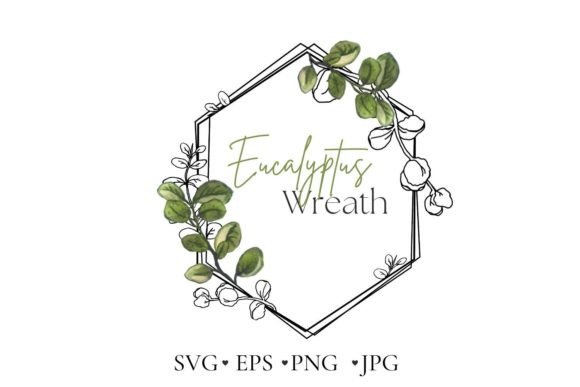
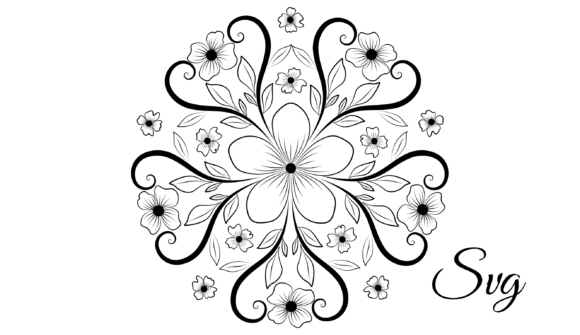
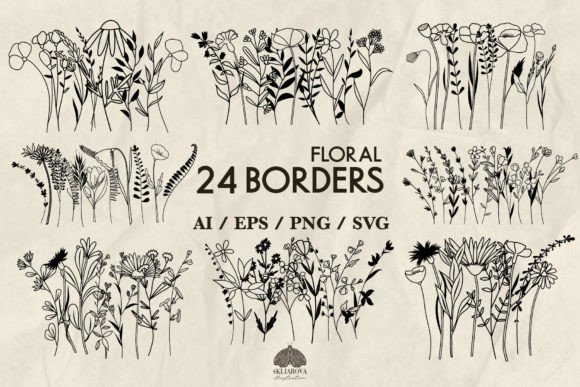
When I opened the Vector Decorative Frame Design Template for the first time, the immediate reaction was one of relief. This is not one of those overly complex, cluttered design assets that require an hour of cleanup before you can even preview it on a working canvas. The floral border reads as intentional and refined, with a rhythm that feels organic rather than mechanically repeated. The curves breathe, the ornamentation has a gentle weight, and the central negative space is generous enough to hold a headline, a monogram, a product name, or a short brand message without feeling cramped.
From a practicing designer's perspective, the mood lands somewhere between classic botanical elegance and modern boutique styling. It carries a warmth that would suit a handmade soap label just as naturally as it would frame a wedding invitation or a seasonal greeting card. The Vector decorative frame. Elegant element for design template, place for text. Floral border. description actually undersells what this asset offers, because the detailing in the corner flourishes and the subtle asymmetry of the botanical motifs gives it a hand-drawn quality that reads as premium rather than generic.
Which Clients and Projects This Frame Naturally Fits
Every design asset needs a clear purpose, and this one found its place almost instantly in my mental client roster. The Vector Decorative Frame Design Template aligns beautifully with small business branding, particularly for brands operating in handmade goods, artisanal food, botanical skincare, boutique floristry, and heritage-inspired product lines. It carries enough visual weight to anchor a logo design concept without overpowering the wordmark, which is a balance many ornamental illustrations fail to achieve.
In a recent project for a local apothecary brand, I tested this frame as the primary decorative element on product labels, candle jar wraps, and a folded thank-you card. Across all three applications, the frame maintained its character. On the label, it created a natural boundary that elevated a simple sans-serif product name into something that felt curated. On the candle wrap, the floral border echoed the botanical ingredients listed on the packaging. On the thank-you card, it framed a short handwritten-style message perfectly, adding emotional warmth without visual noise.
For Etsy product sellers, print-on-demand creators, and digital sellers, this frame is a strong candidate for printable wall art, sticker sheets, mug designs, tote bag graphics, and t-shirt placement graphics. The clean central area makes it easy to drop in a custom message or product photo, and the decorative edge does the heavy lifting of making the overall layout look finished and intentional. In social media graphics, especially Pinterest pins and Instagram posts, the frame can serve as a consistent brand container, giving a feed a recognizable visual signature without requiring a full custom illustration every time.
Testing the Frame in High-Pressure Design Scenarios
One of the most instructive tests I run on any graphic design asset is placing it into a rapid-turnaround client scenario. For this review, I simulated a three-day branding sprint for a handmade chocolate brand preparing for a holiday market launch. The deliverables included a table tent card, a small product tag, a social media announcement graphic, and a simple packaging sticker. The Vector Decorative Frame Design Template had to perform across all four without looking repetitive or losing its decorative impact.
On the table tent card, scaled to approximately five inches wide, the frame held its detail beautifully. The floral elements remained crisp, and the text area was large enough to accommodate the product description and price in a readable point size. On the smaller product tag, I reduced the frame to roughly two inches and simplified the layout to feature only the brand initials inside the frame. This is where many decorative digital products fall apart, because the ornamentation becomes muddy at small sizes. This frame, however, retained enough contrast and shape clarity that the floral identity was still recognizable even at a reduced scale.
As a Canva template element or a Cricut project starting point, the frame would also perform reliably. The line work is clean enough for print-and-cut workflows, and the vector structure means users can recolor, resize, and adapt the frame without losing quality. For sublimation design work, especially on fabric items like tote bags or cushion covers, the frame could serve as a cornerstone decorative element around a central image or monogram.
Where This Design Asset Performs at Its Best
After extensive testing across different formats, I can confidently say the Vector Decorative Frame Design Template excels in large layout areas, hero graphics, and any application where the frame has room to breathe. It works as a standalone decorative accent on a product mockup, a feature element on a packaging front panel, or the visual anchor on a poster or invitation. The frame likes space, and giving it generous margins allows the floral detailing to feel intentional rather than squeezed.
In printable designs, the frame is a natural fit for wall art, greeting cards, certificate designs, menu covers, and editorial drop-cap companion graphics. In digital ads and web design contexts, it can frame a hero message or a limited-time offer in a way that feels elevated rather than aggressive. For bloggers and content creators building visual assets for seasonal content, this frame could anchor a recurring series or a themed collection without requiring new illustrations for each post.
I also tested it as a supporting element in a brand identity system, using the frame consistently across a business card, a thank-you insert, and a social media template. The result was a cohesive look that tied disparate pieces together. This is the kind of creative design asset that earns its place in a design bundle or a designer's go-to toolkit, because it fills a specific niche between minimal border and full illustration.
Where Caution and Judgment Are Required
No design asset is universal, and responsible design work means knowing where something should be used carefully or avoided entirely. The Vector Decorative Frame Design Template is not a candidate for minimalist branding projects, highly corporate materials, or layouts that depend on stark negative space and razor-thin visual hierarchy. Its decorative nature, while elegant, introduces a level of ornamentation that clashes with the stripped-back aesthetic of tech startups, financial services brands, or modern architectural firms.
At very small sizes, below roughly one inch in printed width, the finer floral details begin to close up and lose legibility. For favicon-scale applications or tiny footer badges, a simpler version or a custom cropped detail from the frame would serve better than the full illustration. In crowded layouts where multiple visual elements compete for attention, the frame can add to the chaos rather than resolve it. I learned this when I placed it on a busy product label that already had a background pattern, a secondary illustration, and three different text blocks. The frame became one decorative element too many, and the overall composition suffered.
Self-awareness with decorative Graphics is key. The frame should be the hero decorative element in a layout, not one of several competing flourishes. If a project already uses heavy botanical illustration, watercolor washes, or ornate typography, adding this frame may tip the balance from curated to cluttered. Designers should also test it against low-contrast backgrounds, where the delicate line work can disappear into similarly toned surfaces. A quick grayscale preview reveals how much of the frame's personality depends on contrast, and in monochrome palettes, the line weight may need adjustment to maintain presence.
How the Frame Affects Readability and Brand Impression
One of the most valuable qualities in a decorative border is how it interacts with the text it surrounds. In my testing, the Vector Decorative Frame Design Template created a natural focal zone that drew the eye toward the center without competing with the content placed inside. When paired with a bold serif font, the frame's botanical curves echoed the letterforms in a way that felt harmonious and heritage-inspired. With a clean sans serif font, the contrast between structured lettering and organic ornamentation created a balanced tension that felt modern and boutique.
With script fonts and handwritten fonts, the frame sang. The flowing floral elements visually rhymed with the lettering strokes, producing a cohesive, romantic mood that would work beautifully for wedding stationery, event branding, or feminine product lines. With display fonts, especially condensed or high-contrast styles, the frame added softness around bold typography, acting as a visual cushion that made the overall lockup feel more approachable.
From a visual hierarchy standpoint, the frame naturally creates a clear center-perimeter relationship. The viewer's eye moves to the framed content first, then outward to appreciate the decorative border. This predictable reading pattern supports strong brand consistency because it makes the message the priority while the ornamentation plays a supporting role. For small business owners managing their own marketing visuals, this kind of built-in hierarchy is invaluable, because it reduces the design skill needed to create a polished, professional result.
Practical Checks Every Designer Should Run Before Using This Asset
Before committing any commercial design asset to a client project, I run a standard set of technical and aesthetic checks. Here is the workflow I used for this frame, and I recommend it to any designer, brand owner, or content creator considering this purchase.
- Test in black and white. Convert the frame to grayscale and assess whether the line weight and contrast still carry the design. For this frame, the structural elegance held up, though some of the finer floral details softened more than I would prefer for print applications on uncoated paper.
- Check contrast on light and dark backgrounds. On a cream or off-white background, the frame felt warm and integrated. On pure black, the reversed version needed a slight stroke weight increase to maintain legibility, which was easy to adjust thanks to the fully editable vec nature of the asset.
- Preview at small and large sizes. At thumbnail scale, the frame reduced to a recognizable shape without looking confused. At poster scale, I inspected the curve smoothness and found no jagged anchor points or awkward transitions.
- Place on real product mockups. I tested on a candle jar, a soap box, a tote bag, and a greeting card. The frame adapted well to all four, though the tote bag application benefited from a slightly thicker stroke for screen printing considerations.
- Print a physical sample. On matte cardstock at 300 DPI, the frame printed cleanly with no unexpected hairline gaps or fill issues. On textured paper, the fine details softened slightly but remained aesthetically pleasing.
- Review file format compatibility. Confirm that the delivered files include the formats your workflow requires. For this asset, having the vector source file means full editability in Adobe Illustrator, Affinity Designer, or similar software. Check whether PNG design transparency is included if you work primarily in raster-based tools like Canva or Photoshop.
- Inspect SVG editability. Open the vector file and confirm that elements are grouped logically, colors are easy to change, and individual flourishes can be isolated if needed. This frame passed that test, with well-organized layers and clean anchor points.
- Confirm commercial licensing. Before using this frame on a client project, a product for sale, or a print-on-demand item, verify that the license covers commercial design use. Many creative marketplace assets require an extended license for physical merchandise or client work, and assuming standard coverage can create legal risk.
Font Pairing Observations from Real Layout Tests
Typography makes or breaks a decorative frame layout. During my review, I paired the Vector Decorative Frame Design Template with five different font categories and noted the results. With serif fonts, the combination felt editorial and timeless, suitable for book covers, magazine layouts, and premium packaging. With sans serif fonts, the contrast was crisp and contemporary, ideal for modern brand identities and clean product labels. With script fonts, the synergy was almost too easy, creating an effortlessly romantic look that would dominate wedding and event design if given the chance. With handwritten fonts, the result was charming and personal, perfect for small-batch goods and maker brands. With display fonts, the frame needed careful spacing to avoid visual competition, but when balanced correctly, the result was striking and memorable.
Who Should Add This Frame to Their Creative Toolkit
This asset earns its place in the toolkit of graphic designers who regularly work on branding, packaging, and stationery projects for boutique and lifestyle clients. It suits brand owners who want a consistent decorative element that can unify product photography, social media templates, and printed collateral without hiring a custom illustrator for every piece. Content creators and bloggers building visual brands around food, home, garden, beauty, or handmade topics will find the frame a reliable shortcut to polished, on-brand graphics.
For Cricut users and crafters, the frame's clean vector structure makes it suitable for vinyl cutting, card making, and home decor projects. For digital sellers creating Canva templates, printable wall art, or design bundles, this frame can serve as a foundational element that adds perceived value to a product collection. For print-on-demand sellers, the frame works across mugs, totes, shirts, pillows, and phone cases, offering a decorative container that customers can personalize with their own text or imagery.
Final Practical Verdict from a Working Designer
The Vector Decorative Frame Design Template is one of those rare illustrations that bridges the gap between ornamental beauty and practical usability. It does not demand that the designer build an entire project around its style. Instead, it integrates into existing workflows, adapts to different brand voices, and elevates layouts without stealing attention from the core message. The Simple to work with and highly customizable, it ca be easely adjusted to fit your needs promise is accurate, though I would add that the real value lies in how the frame's proportions and detailing already feel considered before any customization begins.
For a client project that needs a touch of botanical elegance, a structured decorative border, or a repeatable brand framing element, this asset is a strong, reliable choice. It earns its place in a professional creative marketplace collection, and I expect to reach for it again when the next handmade brand, boutique product line, or seasonal campaign crosses my desk. Test it thoroughly, confirm your license, pair it with confident typography, and this frame will deliver.