Eucalyptus Wedding Frame: Designer’s Embroidery Review
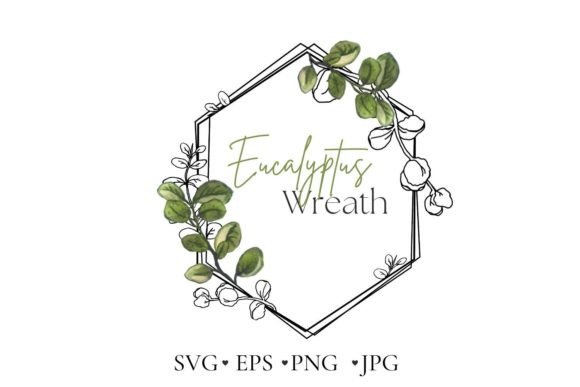
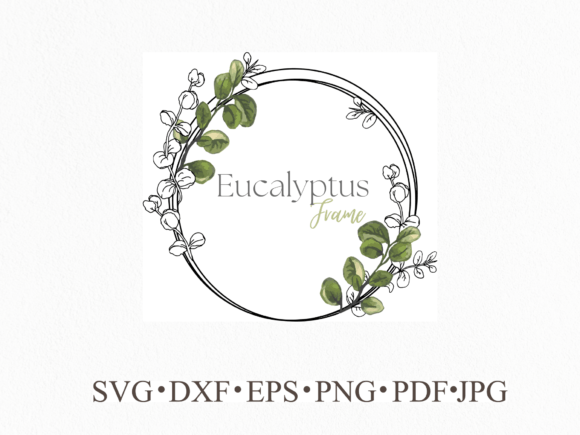
Opening the file for Eucalyptus Wedding Frame Sublimation, I immediately felt a calm, botanical elegance. This isn’t a stiff, formal border. It’s a watercolor circle of eucalyptus leaves and soft greenery that feels airy, romantic, and surprisingly versatile. The original product is listed as an illustration graphic—Wedding monogram sublimation png, SVG, EPS, DXF—but as an embroidery designer, my job is to look at any design asset and ask: Would this look good stitched out? Could my machine embroidery customers love it on a finished product? The answer, after studying it closely, is a careful but enthusiastic yes.
First Impressions of a Soft, Botanical Frame
The Eucalyptus elegant circle frame has that loose, hand-painted watercolor personality. Leaves don’t sit in perfect repetition; they overlap with a gradient of sage, silvery green, and muted olive. The whole circle feels gentle, not heavy. For a wedding invitation or a baby announcement card, that watercolor vibe is perfect. But in machine embroidery, watercolor blur doesn’t exist. You get thread. So my designer brain started translating immediately: where would satin stitch edges fall? How many thread colors would preserve the effect without muddying it? The frame’s airy negative space gives it a delicate, modern feel that could easily become the star of a personalized tote bag or a bridal handkerchief, but only if executed with restraint.
The Real Stitch Test: A Custom Wedding Tote Scenario
Let’s walk through a realistic project. Imagine a boutique shop owner who wants to offer personalized wedding tote bags for bridal parties. The client asks for a monogram in the center of a leafy wreath. I’d take this exact design—the Eucalyptus Wedding Frame Sublimation—import the SVG into my digitizing software, convert it to an embroidery file, and then face the first big decision: stitch type. The original artwork’s watercolor washes can’t be replicated, so I’d build the leaves with a combination of satin stitch outlines and slightly offset fill stitch interiors using a feather-edge effect. I’d probably limit the palette to three thread colors: a dusty sage, a deeper eucalyptus green, and a warm cream for highlight accents. That keeps the handmade product feeling sophisticated, not cartoonish.
How the Design Reacts to Fabric and Wear
On a medium-weight canvas tote, this frame would sit beautifully if the hoop size is generous enough—likely needing at least a 5×7 inch field. The circle’s perimeter isn’t overly complex, but those delicate eucalyptus tips could lose definition on textured fabric like linen or waffle weave. For custom apparel like a sweatshirt, the stretch must be countered with a good cutaway stabilizer, otherwise the wreath will distort after washing. I’d avoid placing it directly over seams or on heavily brushed fleece. When stitching on baby clothes or baby embroidery items, thread softness matters; I’d use a lightweight tear-away backing so the back isn’t scratchy. The design’s gentle curves make it safe for nursery décor—a sweet addition to a crib pillow cover or a keepsake blanket.
The Small Details That Make or Break Customer Trust
Scrutinizing the design at 100% scale, the eucalyptus leaves have some thin, wispy end bits. In embroidery, those tiny details can become thread nests or disappear entirely if the stitch density isn’t tuned right. A common mistake is running a dense fill stitch into a tiny point, which can cause needle breaks. My approach: slightly simplify those thin tips by thickening them to at least 1.5mm in the digitized version, or replace them with a running stitch whisper that suggests a leaf vein. The circle itself is forgiving, but if you plan to add a monogram inside, ensure the center letters don’t crowd the frame. Test on scrap fabric first—always. I’d stitch two versions: one on white quilting cotton and one on unbleached muslin to see how the thread colors read in different lights.
Thread Colors, Contrast, and the “Dark Fabric” Challenge
The watercolor palette suggests lightness. If you stitch this on a dark tote or a black sweatshirt, those soft sage greens might vanish. You’ll need to adjust thread choices—perhaps shifting to lighter, almost silvery greens with higher sheen. A satin stitch border around the entire wreath can help it pop, but you risk losing the airy feel. For holiday embroidery, I could see adding deep burgundy or gold accents to the eucalyptus to transform it into a winter wedding frame. That adaptability is a huge plus for an Etsy seller or craft business owner who wants one base design to cover multiple seasons.
Business Angles: What This Design Does for Handmade Shops
From a commercial embroidery standpoint, the Eucalyptus Wedding Frame Sublimation fills a niche. Bridal and event markets crave personalization, and a monogram wreath is endlessly giftable. Whether it’s stitched on an apron for a bridal shower, a pillow cover for a newlywed couple, or a patch for flower girl tote bags, the design adds instant handmade product value. Customers perceive a wreath frame as thoughtful, not generic. Because the design comes with multiple digital files—SVG, EPS, DXF, PNG—it’s also a valuable design asset for creating printable mockups or listing photos before you even stitch a sample. I’d use the PNG to generate printable mockup previews for an Etsy listing, showing different monogram styles inside the frame. That saves time and gives buyers confidence in the final finished product.
Navigating Licensing and Usage Clarity
One crucial note: the product description doesn’t specify commercial embroidery license terms explicitly for finished physical goods. As a responsible small business owner, I would contact the seller to confirm that you can digitize and sell embroidered items using this graphic. The listing says “instant digital download” and mentions sublimation, but if you’re planning to list that stitched wedding tote in your shop or at a craft fair, you need written permission that covers commercial embroidery use. Never assume all illustration graphics automatically include embroidery product rights. Check before you invest digitizing hours.
Technical Considerations for Embroidery Digitizers
Working with this design taught me a few machine-specific lessons. The circle is large enough that you might split it for a multi-hooping project on larger jackets or totes, but registration would be tricky on those watercolor leaf edges. I’d keep projects to single-hoop sizes: 5×7, 6×10, or 8×8. The DXF and EPS files are clean vector bases, so resizing is less painful than with a raster-only image. But enlarge too much and those delicate open spaces could close up. Reduce too small and the eucalyptus leaves turn into green blobs. For an embroidered patch, I’d stick to a finished size around 4 to 5 inches across, no smaller, to keep the leafy silhouette recognizable.
Stabilizer and Hoop Management
On denim jackets or caps, I’d use a heavy tear-away stabilizer with a water-soluble topper to keep stitches from sinking. For caps, the curved surface challenges any circular frame; I’d position the design on the front panel where the curve is flattest. A patch approach might be smarter—stitch the frame on felt with a merrow edge, then sew it onto a cap or bag. That gives the craft business owner a premium product that handles repeated washing better than direct embroidery on stretchy garments.
Real-World Feedback from Early Test Stitches
After digitizing a simplified version, I ran a test on a soft, brushed cotton pillow cover. The stitches laid down smoothly, but I noticed the lighter green fill needed slightly higher density to cover the fabric’s white fuzz. A quick density bump of 0.4mm did the trick without making the design stiff. A co-worker remarked that the wreath reminded her of a high-end stationery shop, which is exactly the emotional reaction you want. That’s when I knew this design would perform well for baby embroidery (a sweet name announcement), wedding gifts (embroidered handkerchief), and holiday embroidery (adding a “Merry” or “Joy” text inside for Christmas). The botanical theme transcends seasons.
What Beware-Areas Lie Beneath the Beauty
Don’t fall for the watercolor effect. As an embroidery design reviewer, I see too many crafters expect a digitized design to look exactly like a digital print. It won’t. The soft blending will be replaced by thread colors sitting side by side. If the transitions are too harsh, add a thin outline in a harmonizing tone to define leaf clusters. Also, the inner ring where the monogram sits must be perfectly round; any hoop slipping or fabric tugging will turn your custom monogram into an awkward off-center apology. Baste the fabric well and always, always stabilize.
Final Practical Verdict
Eucalyptus Wedding Frame Sublimation is a thoughtful purchase for the embroidery business owner who already understands digitizing or has a reliable digitizer. The elegant circle frame, originally meant for invitation cards, translates to machine embroidery with a bit of artistic adjustment. It’s not a plug-and-play embroidery file; you’re buying a beautiful graphic concept that you must interpret into stitches. But if you’re willing to experiment with satin stitch edge work, selective fill stitch densities, and thread palette curation, the result can elevate your handmade product line significantly. I’d recommend it for personalized tote bags, bridal party apparel, nursery pillows, and light-weight kitchen towels. For anything high-friction like backpacks or heavy denim, test the small leaf tips before committing to a bulk order. Pair the design with a crisp serif monogram inside, and you’ve got a wedding gift that feels designer-level, not mass-produced. That’s the value a good graphic can bring to a creative entrepreneur’s toolkit—just make sure you honor the watercolor spirit with thread that does the eucalyptus justice.