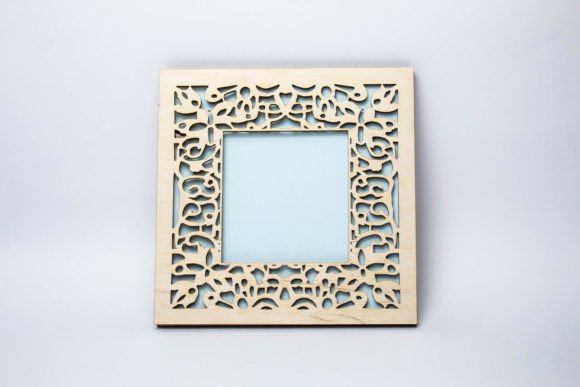
Photo Frame - Floral Pattern
A Designer’s First Glance: Delicate, Not Dainty
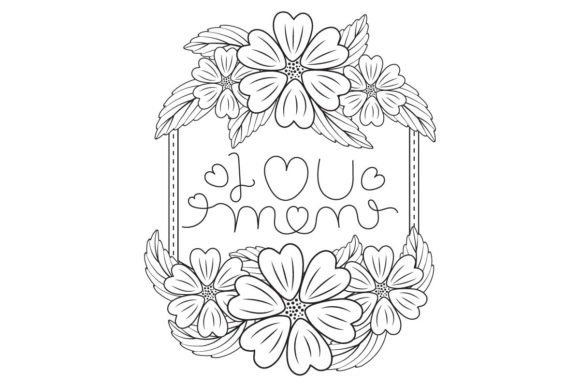
Opening Photo Frame - Floral Pattern feels like unrolling a quiet invitation—not loud, not trendy, but thoughtfully composed. The shape is a soft-edged rectangle with gentle scalloped corners, wrapped in a continuous vine of roses, lavender sprigs, and trailing leaves. There’s no central monogram placeholder, no bold typography—just space waiting for a photo, a name, or a moment. That absence is intentional. This isn’t a busy applique design meant to dominate; it’s a frame, in both form and function. As a machine embroidery design, its strength lies in restraint: balanced negative space, rhythmic line weight, and botanical elements spaced just far enough apart to breathe under thread.
Where It Lives Best: Home Décor With Heart
I tested Photo Frame - Floral Pattern on a linen-cotton tea towel first—simple, practical, and telling. Stitched in ecru cotton thread on natural fabric, the floral border read clearly without stiffness. No puckering. No thread breakage. That told me immediately: this is built for textured, medium-weight home goods. Think pillow covers for a nursery, embroidered kitchen towels for a boutique launch, or linen wall hangings for wedding gifts. I also stitched it onto a heavyweight cotton apron—centered above the pocket—and it held up beautifully through washing and ironing. The 3D SVG origin shows in how the layers suggest depth without requiring actual 3D puff or foam. It reads as dimensional because the stitch direction shifts thoughtfully across petals and stems—not flat, not fussy.
Real-World Fit: A Custom Tote Bag That Felt Like a Gift
Last week, a local florist asked for embroidered tote bags to pair with seasonal bouquets. She wanted something “soft but substantial”—not cutesy, not corporate. Photo Frame - Floral Pattern landed perfectly: centered on the front panel of a natural canvas tote, stitched in muted sage and cream rayon thread. Customers didn’t just see a bag—they saw a keepsake. The frame gave structure to the composition; the floral motif echoed the product inside. More than one person paused to ask, “Is that hand-stitched?” That’s the handmade product halo effect working. It doesn’t scream “embroidery,” but it earns trust through craft-aware details—consistent satin stitch edges on the frame outline, subtle fill stitch gradients in the larger leaves, and running stitch accents that mimic hand-drawn stems.
Where to Pause Before Pressing Start
This design shines on stable, non-stretchy surfaces—but it’s not universally forgiving. On thin fabrics like voile or lightweight rayon, the outer frame line can telegraph or distort unless you use cutaway + tear-away stabilizer combo. On dark fabric, test contrast early: light thread on charcoal linen needs slightly higher stitch density to avoid gaps; too dense, and the floral texture flattens. And skip it for curved surfaces like caps—those scalloped corners won’t register cleanly on a rounded crown. Also, avoid cramming it into small hoop sizes (under 4” x 4”). The vine repeats need room. If your client wants it on a baby onesie chest, scale down *only* after checking that the smallest leaf and petal still resolve cleanly at 80% size. Tiny lettering? Not part of this file—so if you’re planning to add names or dates, treat those as separate embroidery files and align carefully.
What It Adds to Your Craft Business—Beyond the Stitch
For Etsy sellers and small shop owners, Photo Frame - Floral Pattern is quietly versatile. It works as a standalone digital embroidery file for DIYers, but more importantly, it elevates finished products. A set of three matching pillow covers becomes cohesive branding—not because they share a logo, but because they share rhythm, proportion, and botanical language. For holiday embroidery or personalized gifts, it adds heirloom weight without vintage cliché. And because it’s clean-lined and scalable, it translates well into printable mockups: clients instantly “see” it on their favorite sweatshirt or blanket before you stitch a single seam.
Practical Designer Notes—From My Hoop to Yours
- Always test on scrap fabric first—especially if using textured weaves or blending thread colors.
- Check stitch density visually, not just numerically. Dense fill areas should feel substantial, not muddy.
- Confirm hoop size compatibility before digitizing adjustments—you’ll want breathing room around the outer edge.
- Inspect small details at 200% zoom: Are petal tips sharp? Do vine junctions nest cleanly?
- Test black-and-white mockups to assess contrast and silhouette clarity—this design relies on shape as much as detail.
- Use proper stabilizer: medium cutaway for knits, tear-away + topping for napped fabrics like terry cloth.
- Review licensing terms before selling finished items or bundling this as part of a commercial embroidery project kit.
Final Thought: A Frame That Holds Space—For You and Your Customer
Photo Frame - Floral Pattern doesn’t try to be everything. It’s not a statement sleeve design or a flashy cap front. It’s the kind of embroidery file that makes people slow down—to touch the stitch, to notice the curve of a stem, to imagine what might go inside that quiet, floral-edged rectangle. For craft business owners building recognizable style, for Etsy sellers curating meaningful collections, for designers who know that sometimes the most powerful embroidery is the kind that frames, rather than fills—it’s a thoughtful, reliable, and quietly confident choice. Just remember: let it breathe, stabilize with intention, and trust the balance already built into its lines.